%2Ffit-in%2F250x250%2Fguide_websites%2F8786%2Fimages%2F1706571270401atlanticbreeze.png&w=1920&q=100)
/users/37a7fa14-d550-4235-98ea-01152b447171/ratecard/image-2024-01-29t033730.726.png)
%2F300x300%2Fusers%2F37a7fa14-d550-4235-98ea-01152b447171%2Fratecard%2Fimage-2024-01-29t033730.726.png&w=256&q=75)
%2F300x300%2Fusers%2F37a7fa14-d550-4235-98ea-01152b447171%2Fimages%2Fredfish-catch-folly-beach-2594.jpg&w=256&q=75)
%2F300x300%2Fusers%2F37a7fa14-d550-4235-98ea-01152b447171%2Fimages%2Fscenic-fishing-south-carolina-2541.jpg&w=256&q=75)
%2F300x300%2Fusers%2F37a7fa14-d550-4235-98ea-01152b447171%2Fimages%2Fredfish-caught-south-carolina-2750.jpg&w=256&q=75)
%2F300x300%2Fusers%2F37a7fa14-d550-4235-98ea-01152b447171%2Fimages%2Fredfish-caught-sc-2778.jpg&w=256&q=75)
%2F300x300%2Fusers%2F37a7fa14-d550-4235-98ea-01152b447171%2Fimages%2Fscenic-south-carolina-fishing-adventure-2511.jpg&w=256&q=75)
%2F300x300%2Fusers%2F37a7fa14-d550-4235-98ea-01152b447171%2Fimages%2Ffishing-fun-folly-beach-2623.jpg&w=256&q=75)
%2F300x300%2Fusers%2F37a7fa14-d550-4235-98ea-01152b447171%2Fimages%2Fredfish-folly-beach-fishing-2698.jpg&w=256&q=75)
%2F300x300%2Fusers%2F37a7fa14-d550-4235-98ea-01152b447171%2Fimages%2Ffolly-beach-outdoor-adventure-2536.jpg&w=256&q=75)
%2F300x300%2Fusers%2F37a7fa14-d550-4235-98ea-01152b447171%2Fimages%2Ftwo-redfish-south-carolina-fishing-2766.jpg&w=256&q=75)
%2F300x300%2Fusers%2F37a7fa14-d550-4235-98ea-01152b447171%2Fimages%2Fredfish-folly-beach-2557.jpg&w=256&q=75)
World-Class Folly Beach Backcountry Fishing Trip
 Folly Beach
What you will be catching:
 Black Drum
 Sea Trout
- 4-hour inshore fishing trip targeting Red Drum, trout, and sharks
- Scenic wildlife viewing through Folly Beach estuaries and backcountry waters
- Professional crew accommodates up to 5 guests of all experience levels
Trip Pricing and Availabilities:
Reel in the Folly Beach Backwater Action
Get ready to wet your lines in the rich backwaters of Folly Beach! Our half-day charter takes you straight to where the fish are biting. We'll cruise through winding creeks and hidden estuaries, giving you a shot at some of South Carolina's most prized inshore species. Whether you're a seasoned angler or just starting out, our experienced guides know exactly where to find the sweet spots. Pack your sunscreen and let's hit the water for some serious rod-bending action!
What's the Deal?
We kick things off bright and early at 7 AM from the Folly Beach Public Boat Ramp. Our 4-hour trip gives you plenty of time to work different spots and techniques. We'll weave through the backwaters, targeting structures where fish love to hang out. Expect to cast around oyster beds, grass flats, and hidden channels. You might even spot dolphins, ospreys, or herons while we're out there. The backwater fishery here is super diverse, so be ready for anything from redfish tailing in the shallows to trout smashing topwater lures.
How We Fish These Waters
In the backwaters, we use a mix of live bait and artificial lures to target different species. For redfish, we often sight-cast with soft plastics or live shrimp. When we're after trout, we might use popping corks with live bait underneath or work a jig along the bottom. If the sharks are around, we'll chunk out some cut bait and hang on tight! We provide all the gear you need, from rods and reels to terminal tackle. Our boats are set up for easy casting and fighting fish in tight spots. Just bring your enthusiasm and maybe a favorite lucky lure if you've got one.
Top Catches This Season
The backwaters have been on fire lately! Anglers have been hooking into some monster redfish, especially around the full and new moons. The trout bite has been steady, with some real gators mixed in. We've even had a few surprise cobia show up inshore, giving folks the fight of their lives on light tackle. The variety keeps things interesting – you never know what might grab your bait next!
Species You'll Want to Hook
Sea Trout: These spotted beauties are a backwater staple. Known for their delicate bite and acrobatic fights, sea trout are a blast on light tackle. They love to ambush bait around oyster bars and creek mouths. Fall is prime time for big 'gator' trout, but we catch them year-round. Nothing beats the excitement of a topwater trout strike at dawn!
Black Drum: The bulldogs of the backwater, black drum put up a stubborn fight. They grow big – we're talking 40+ pounds – and love to hang around structure. Spring and fall are peak seasons, but you can catch them any time of year. These guys have a soft spot for crabs and shrimp. When you hook one, get ready for some serious pulling!
Red Drum (Redfish): The rockstars of inshore fishing, redfish are what bring many anglers to Folly Beach. In the shallows, you might spot their copper-colored backs and signature tail as they hunt for crabs. They grow from 'rat reds' to bull reds over 40 inches. Fall is fantastic for big schools, but summer sight-fishing for tailing reds is hard to beat. These fish will test your drag and your nerves!
Flounder: Masters of camouflage, flounder are ambush predators that lie in wait on the bottom. They might not look like much, but they put up a scrappy fight and taste amazing. Late summer and fall are prime flounder seasons. Drifting live bait or working a jig slowly along the bottom is the ticket. When you feel that distinctive 'thump,' set the hook hard!
Time to Book Your Spot
Look, the fish are out there waiting, and our calendar is filling up fast. Whether you're looking to bend a rod, learn some new techniques, or just enjoy a morning on the water, we've got you covered. Our experienced guides know these waters like the back of their hand and are itching to put you on some fish. Don't let another season slip by – grab your spot on one of Folly Beach's top-rated charters today. The bite is hot, the scenery is stunning, and the memories are waiting to be made. Let's go fishing!
Learn more about the animals
Black Drum
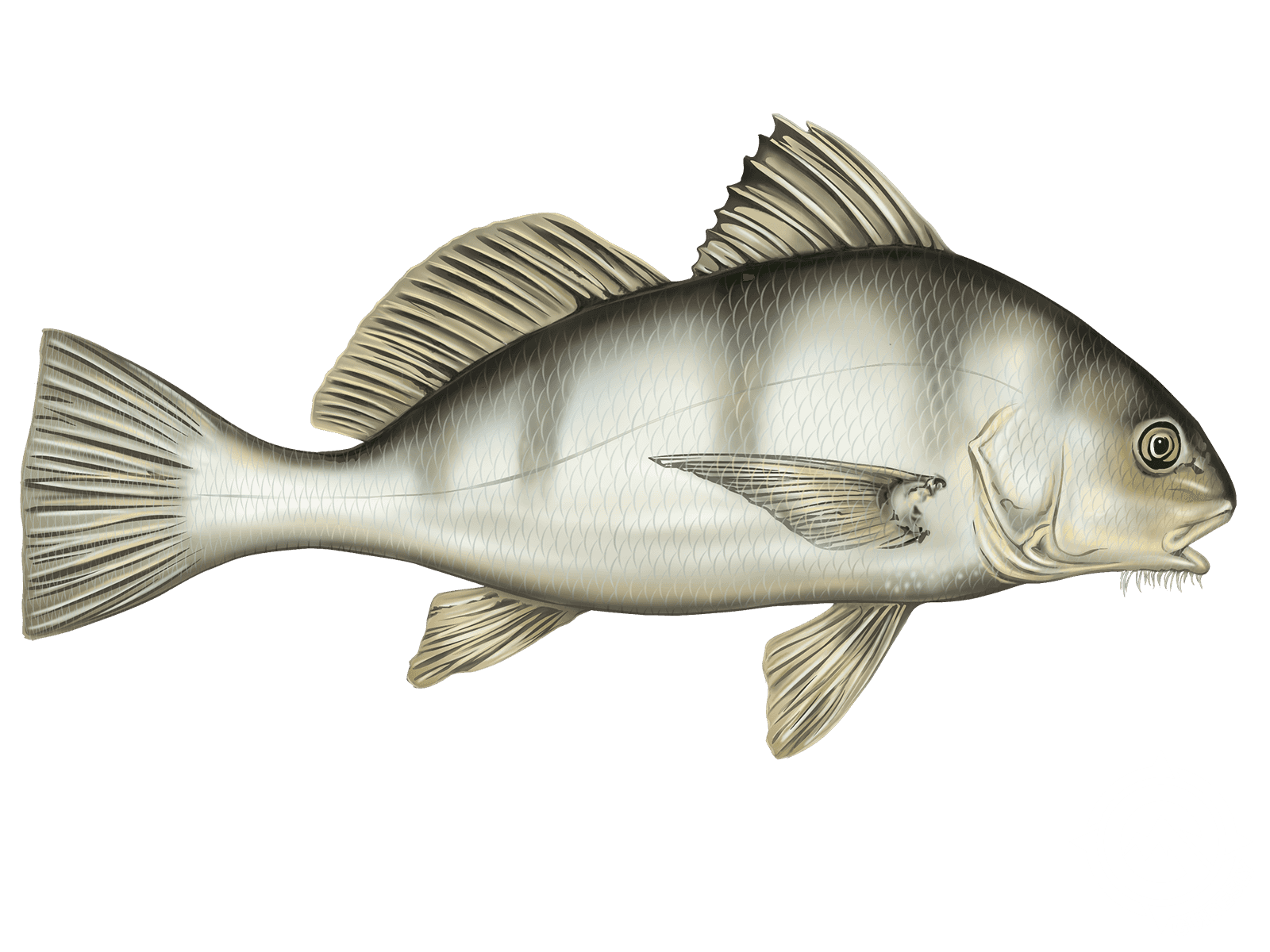
## Black Drum (Pogonias Cromis) ## Black Drum Description The Black Drum is a fish in the Sciaenidae family. The Black Drum is also the largest fish of that family, including almost 300 species, including their popular cousin, the Redfish. They are known as drums or croakers due to the repetitive drumming or croaking sounds they make. They are black and or grey and have powerful jaws with strong teeth capable of crushing prey like shellfish and oysters. ## Black Drum Size The Black Drum's typical weight range varies considerably from 5 to 30 pounds but can reach a weight of up to 90 pounds. If you intend to eat your catch, you may want to release Black Drum over 15 pounds. As they grow larger, the meat is tough and more comparable to chicken than a flaky texture. Also, the flavor of the older fish is not as tasty as the smaller-sized fish. ## Black Drum Spawning Black Drum have mating calls that they use to seek out others during the spawning season, capable of producing tones that reach 100 to 500 Hz. Black Drum grow rapidly and reach maturity within the first 2 years of their lives and live to 50 years. The females can lay eggs every three days during the spawning season. Their spawning seasons vary due to location, spawning occurring in February and March in southern areas like Texas, and April to June farther north. ## Black Drum Habitat Black Drum typically prefers brackish waters and estuaries. The adults live closer to the saltier areas near the ocean. They can be found around an oyster bed and other areas with plentiful food sources. The juveniles prefer the less salty areas of the same estuaries with sandy bottoms. Black drum are extremely adaptable when it comes to temperatures and salinity and can be attracted to freshwater creek openings and extremely shallow water, but are also found in depths of up to 100 feet. ## Black Drum Fishing You will find the best Drum fishing is on shallow water, muddy flats, and oyster beds, but they can also be found near inlets, pier pilings, creeks and estuaries that make way inward. Most anglers also fish for the Black Drum in the spring around the spawning season. At this time, the fish school up and are easier to target. After the spawning season, the fish disperse and become much harder to target. ## ## Black Drum Bait and Lures The best bait an angler can use for Drum fishing is live bait because they are bottom-feeders. Live bait such as fresh soft crabs, mollusk, peelers crabs, sea clam, or crushed mussels are the preferred bait. Anglers like to use crab because it does not tend to get eaten by catfish and other bait stealers. If you are not using live bait, then choose very slow-moving jigs like bucktail jigs. It is also vital to use the correct weighting for the conditions to ensure that your bait is on the bottom. When fly fishing, most anglers prefer to use a 7- or 9-weight fly rod, leaning towards a 9-weight for throwing heavier flies and a little extra strength when pulling on fish that may be more than 20 pounds. You will want to present your fly on the bottom, and weighted black flies that get to the bottom quickly are best such as the Redfish Worm, Merkin, and Clouser Minnow. ## Distribution and Range The Black Drum has a wide range and extends as far north as Nova Scotia, down the whole Atlantic coast of the United States, Florida and the Gulf of Mexico. ## Black Drum Regulations Check the state you are fishing in as they each have their own regulations, but you will find most at 5 fish per day between 14 and 24 inches long, with one allowed over 24 inches.
Sea Trout
Sea Trout (Salmo trutta) Fish Description
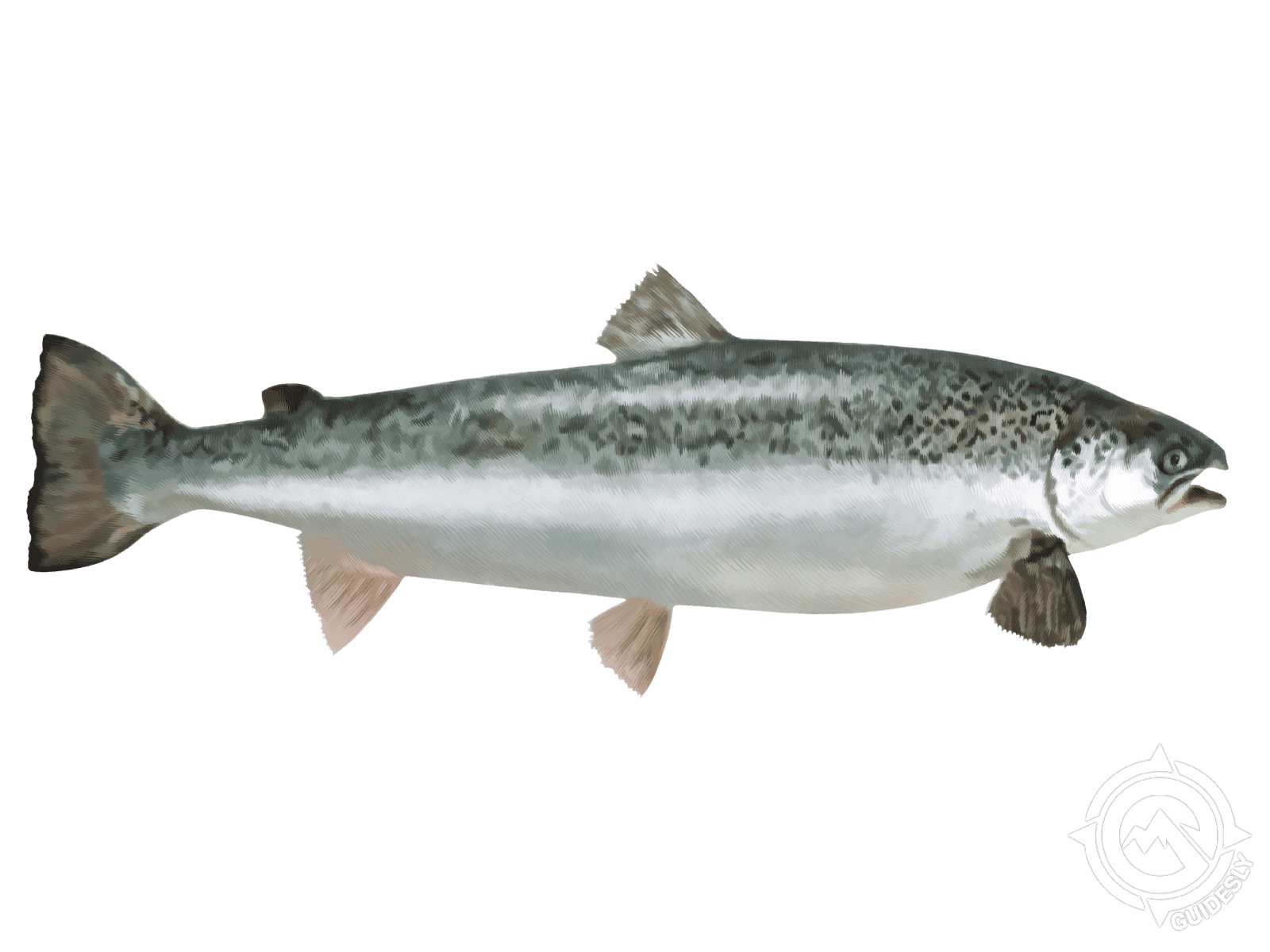
Also known as Spotted Sea Trout or Speckled Trout, Sea Trout are anadromous, meaning they migrate from the sea to spawn in freshwater.
The most distinct feature of Sea Trout is their torpedo-shaped (fusiform) and elongated body. They are similar to brown trout but have a much more silvery appearance. They have an adipose fin which is a feature present in all species of trout. They have numerous spots all over the body.
This fish closely resembles the Rainbow Trout and Atlantic Salmon. What makes it different from the others is that the rainbow trout possess black spots on its tail, whereas the Atlantic Salmon has no red tinge on its adipose fin.
Sea Trout Diet and Size
Sea Trout love to feast on shrimps, prawns, small crabs, and fish. They also feed on zooplankton and zoobenthos.
Adult Sea Trout can grow from 14 to 24 inches long and weigh a little over one pound to 5 pounds. Some Sea Trout were found to have weighed up to 40 pounds in certain instances.
Interesting Facts About the Sea Trout
- As an anadromous fish species, the Sea Trout shares this characteristic with the Sea Lamprey, Striped Bass, and Salmon.
- Some salmonids like the Cutthroat Trout (Oncorhynchus clarkii), Arctic Char (Salvelinus alpinus alpinus), Coho Salmon (Oncorhynchus kisutch), Dolly Varden (Salvelinus malma), and Brook Trout (Salvelinus fontinalis) are also commonly called Sea Trout.
- Male Sea Trout who are in breeding season develop a skype, which is a hook-like protrusion on their lower jaw.
- When in freshwater, Sea Trout are olive in color, whereas they are silvery when they are in salt water.
- Young Sea Trout remain in freshwater for almost five years before going back to sea; during this journey, they can travel up to 40 kilometers in a day.
- The Sea Trout is considered the first fish to have undergone artificial reproduction; the pilot activity is said to have occurred in 1739 in Germany.
Sea Trout — Fishing Techniques
Sea Trout are considered common table fare; they are usually processed and frozen. Because of this, this species has become popular among commercial fishers. Freshwater anglers basically catch Sea Trout via fly fishing.
Commercial anglers usually use spinners, lures, and live bait like herring and mackerel strips dipped into the water reaching the sea bed. Since Sea Trout are good fighters who always like to bait, you are recommended to utilize artificial lures; the most effective are jerk baits, topwater plugs, plastic shrimp, spoons, and plastic tail grub jigs.
When sea trout fishing, look for them in grass flats or shallow waters at night. If you have a hard time, you can try trolling at idle speed along these areas. Remember that during winter, Sea Trout form big schools and are usually found in waters as deep as 164 feet.
Considered one of the most highly rated fish, the Sea Trout is prized among anglers. In some countries like Germany, however, this species is protected and highly regulated.
Is Sea Trout Good to Eat?
Sea trout or Speckled trout is a popular game fish found in many coastal areas worldwide. One question often arises is whether sea trout is good to eat. It's important to understand that sea trout can vary significantly in taste depending on where they were caught and what they've been feeding on. Generally speaking, sea trout has a mild and delicate flavor that many people find appealing. Additionally, because sea trout are typically smaller than other salmonids like salmon or steelhead, their flesh tends to be more tender and less oily.
Speckled Trout are a tasty fish that is very good to eat with moderate-flaky, white meat. It is softer than other inshore fish, so it is important not to overcook it, or it will become very mushy.
Regarding nutrition, sea trout is an excellent source of protein and omega-3 fatty acids. These nutrients have been linked to various health benefits, including improved brain function and heart health.
Sea Trout Habitat and Distribution
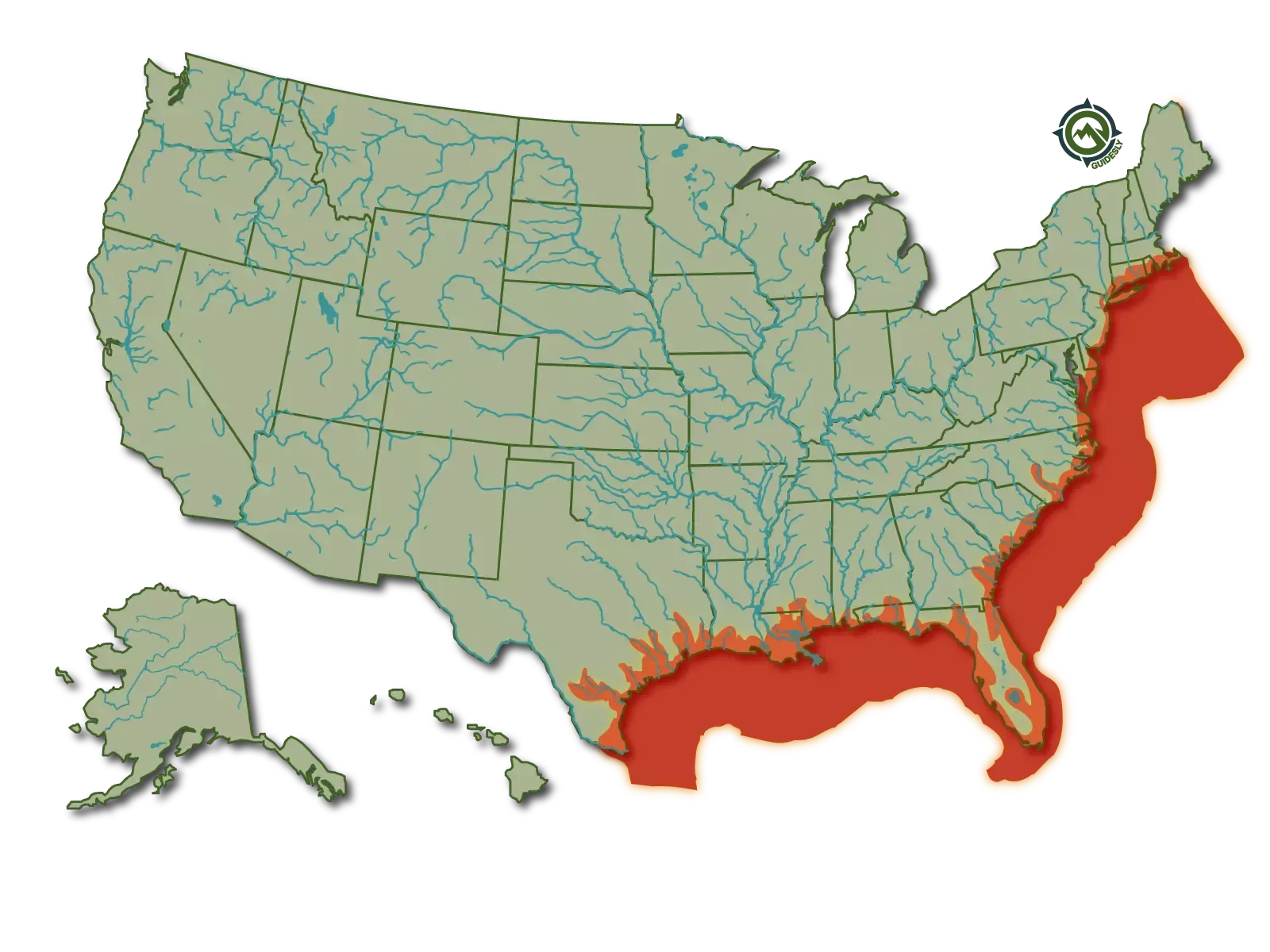
Sea Trout thrive best in cold lakes and rivers (they like temperatures between 33.8 to 80.6°F); they spawn on the gravel bottoms of streams and rivers. They usually spawn in November to December. Sea trout in South Carolina typically live in estuaries all year, but they may congregate to overwinter in deeper channels and rivers or the main estuary, potentially increasing fishing pressure.
Sea Trout have vast and fairly distributed populations in Europe, especially along the coasts of Iceland, the UK, and the Atlantic and Baltic areas. They are abundant in the Caspian and Black Seas but are not present in the Mediterranean. Certain populations of Sea trout have also been reported in the US, particularly in the Canadian rivers, Columbia River, and the Atlantic and Pacific coasts.
About the Proline
%2F%2Fusers%2F37a7fa14-d550-4235-98ea-01152b447171%2Fvehicle_picture%2F0506220952.jpg&w=1920&q=75)
Vehicle Guest Capacity: 5
Manufacturer Name: yamaha
Maximum Cruising Speed: 35
Number of Engines: 1
Horsepower per Engine: 150
Ready for some laid-back fishing action? Hop aboard our comfy boat for a half-day adventure around Folly Beach's backwaters. We'll cruise the rivers and inlets, giving you a chance to reel in some local favorites like Red Drum, Black Drum, and trout. If you're lucky, you might even hook a shark! Our 4-hour trip kicks off at 7 AM from the Folly Beach Public Boat Ramp, so you'll have plenty of time to enjoy the morning calm and spot wildlife. Whether you're a seasoned angler or just starting out, our experienced captain will make sure you have a great time on the water. With room for up to 5 guests, it's perfect for a small group or family outing. So grab your hat and sunscreen, and let's go catch some fish in the beautiful waters around Folly Beach!